

(August 3, 2012)
“There is nothing quite like being a writer, and every situation is different but also the same,” says David Shore, chairman of the Writers Guild's New Members Committee. “It’s nice to have someone to ask ‘what does this mean?,’ ‘what can I do about this?,’ ‘is this normal?,’ someone who has been there and can guide you through the minefields.”
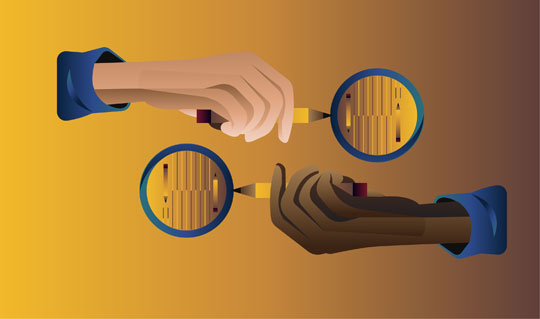
It was the recognition that new WGAW members benefit from being teamed with more experienced writers that led to the creation last year of the Mentor Program, which is now offered to all members as part of their orientation into the Guild. Since its inception, more than 70 Guild members have signed on as mentors, including Eric Roth, Damon Lindelof and Linda Burstyn, to name a few. Each mentor is charged with five or six mentees.
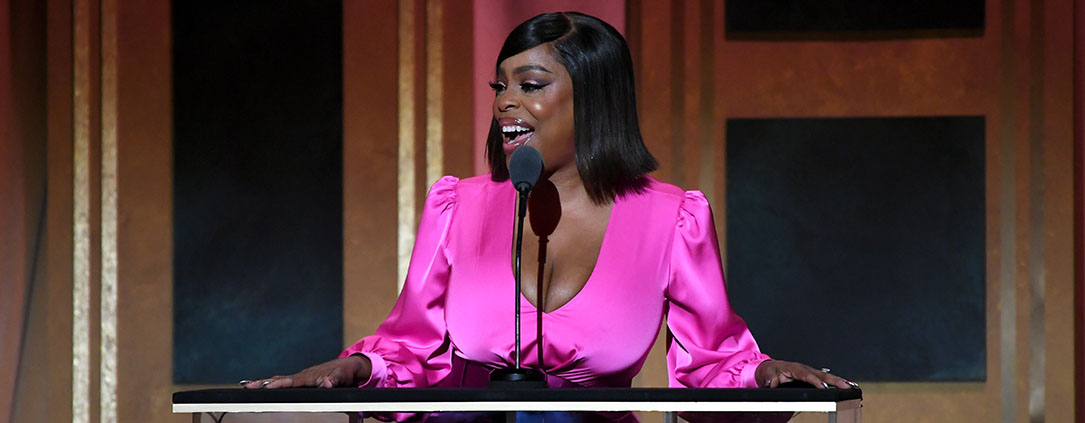
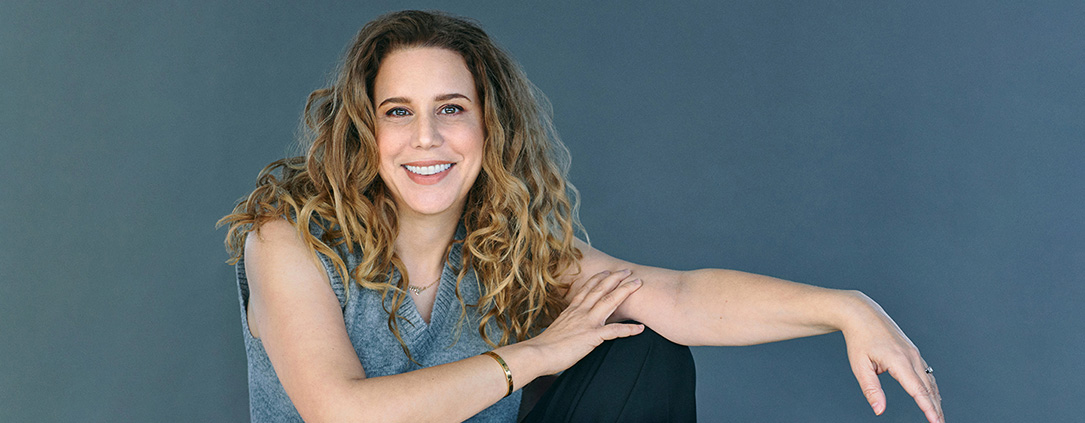
Grey's Anatomy co-exec producer Zoanne Clack and Bones story editor Nkechi Carroll talk mentoring and being mentored
|
The process for becoming a mentor is relatively easy, but mentors are asked to make a one-year commitment. Typically, a new mentor will meet his team in person for a dinner or get-together. After that, communication may be through email or telephone or in person, whatever works best at the discretion of the mentor and mentees. Over time, mentees are also encouraged to get to know and support each other in the process. That said, the role of a Guild mentor is not to help find work or critique writing, but to be a sounding board and source of advice and wise counsel to a less-experienced writer. “It’s not about the profession of writing but about the experience of being in the profession of writing,” adds Shore.
Soon after joining the Guild about a year ago, Nkechi Okoro Carroll signed up for the Mentor Program to better understand the business and dynamics of the writers room. “It turned out to be one of the best decisions I have ever made,” says Carroll, who is now a story editor on the television series Bones. Under the mentorship of Grey's Anatomy co-executive producer Zoanne Clack, Carroll has found the support she was looking for. “I felt I had someone I could go to who had been part of the Guild for a long time and with whom I could safely talk about being a writer.”
“When you’re at the beginning of your career and something comes up, you sometimes want to handle it discreetly and you’re worried about peoples’ reactions,” says Guild member Michael Tabb, who helped create and has been spearheading the Mentor Program since its inception. “This is meant to be a space for confidential feedback from people who have survived in the business.”
That proven ability to survive, along with knowledge, expertise and savvy cultivated over years as a working writer, is invaluable in a mentor. And most writers who have managed to endure can recall either a time in their own careers when they wished they had had a “safe” place to vent their concerns or were fortunate enough to have had a mentor-type relationship. When J. David Stem recently became a Guild mentor, it was with the memory in mind of how another writer had helped him early in his career, if only to offer reassurance during difficult times.
“One thing people don’t realize is how much of this job doesn’t have to do with the writing but with getting along with producers, directors and other writers, and being able to take notes and criticism and digest it,” says Stem. “It’s hugely important for writers to remind themselves that there are many small battles in a long career, and you don’t want to win the battles but lose the war. Though as the writer you're more likely to lose the battle and the war.”
Through mentorship, new Guild members are the beneficiaries of the experience of seasoned screen and television writers who have successfully negotiated the vicissitudes of the business during their careers. Hopefully, they will, in turn, extend themselves in the future and mentor other new writers. “We want a wiser membership, longer careers and more interconnectivity to one another,” says Tabb. “If we have those things we have a smarter union.”
To learn more about the Mentor Program contact the WGAW New Members Committee